
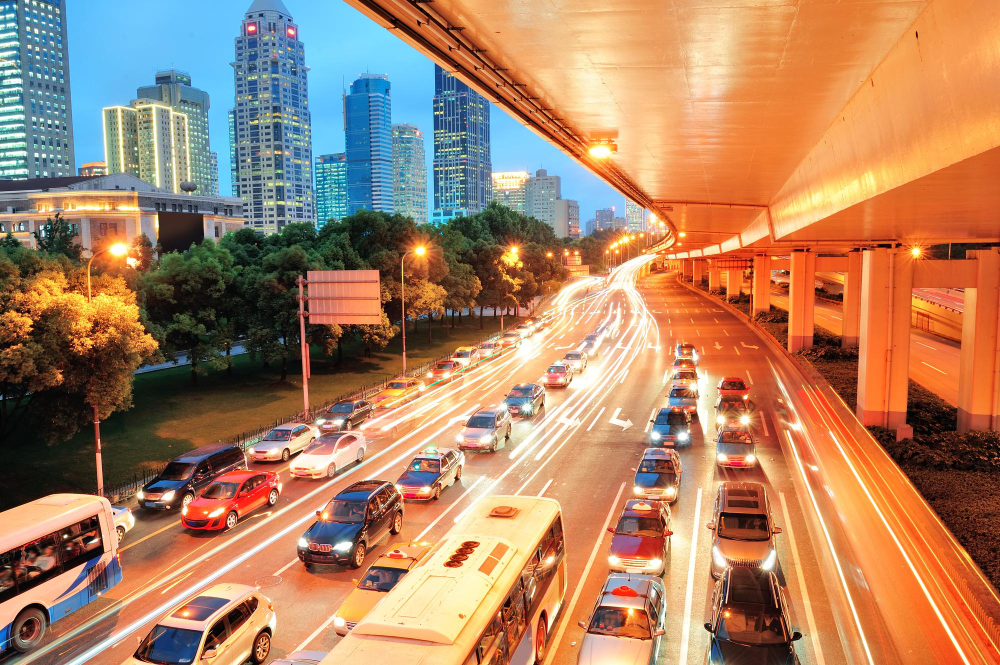
Bangkok’s heavy congestion and limited parking reward compactness and fuel efficiency. Larger vehicles burn more fuel in slow traffic, cost more to park, and are harder to manoeuvre into tight spaces; they also often carry higher rental rates and insurance premiums. Conversely, smaller cars usually have lower base rates, better fuel economy, and cheaper repairs or fines if something minor happens. So the car class you pick directly affects three cost lines: rental rate, fuel, and incidental fees (parking, damage, tolls).
Best car types for saving money in the city
For most drivers a small hatchback with a small-displacement engine (roughly 1.0–1.5 L) is the sweet spot. These cars are cheap to rent, sip petrol in congested conditions, and are easy to park. If you routinely carry luggage or more passengers, a compact sedan is the next-best compromise — slightly higher rental and fuel use but still economical compared with SUVs. Hybrids can make sense too: because Bangkok driving includes lots of stop-and-go where regenerative braking helps, hybrids often deliver noticeably lower petrol bills despite a higher daily rental — worth it only if you’ll be driving many kilometres in the city. Avoid SUVs, pickups, and large crossovers unless you need space or off-road capability; they cost more in every way that matters for urban trips.
Fuel, transmission and cost trade-offs to weigh
Fuel type and transmission both influence running costs. Petrol engines remain the most economical choice for availability and repair simplicity; diesel models are less common for city hire and can be pricier to run in short, slow trips. Automatic transmissions are far more common in Thailand and save time and stress in traffic, though manual rental rates may sometimes be slightly lower — in reality manuals are harder to find, so price benefits are limited. Hybrids reduce stop-and-go consumption but command a premium rental rate; calculate whether your expected kilometres and fuel savings offset that premium before choosing.
Practical features that reduce hidden expenses
Choose a car that reduces friction and the chance of avoidable charges: a compact footprint to avoid parking fines and damage in tight lots, reliable air-conditioning for long urban waits, and good visibility to prevent small scrapes. Opt for full-to-full fuel policies when possible; they’re the cleanest way to avoid surcharge markups. Check mileage limits because exceeding them will add unexpected fees. Inspect the vehicle carefully at pickup and document any pre-existing scratches or dents with photos to prevent unfair damage claims on return.
Rental strategy: how car type fits into saving tactics
Picking an economical car is one part of cost control; combine it with smart rental practices. Book a compact or hybrid during off-peak seasons or midweek for lower rates, use price-comparison sites to spot true bargains, and consider local reputable companies for better base pricing while confirming insurance standards. Decline add-ons that duplicate your own coverage, but don’t underinsure — small damage fees quickly erase any daily savings. Finally, if you’re travelling in a group, splitting the cost of a single compact hatchback is often far cheaper per person than renting multiple larger vehicles.
Conclusion
For the typical Bangkok city traveler, a small automatic hatchback (1.0–1.5 L) offers the best balance of low rental rates, fuel efficiency, and easy parking. If you expect heavy daily driving in stop-and-go traffic and can secure a reasonable rental premium, a hybrid is worth considering for fuel savings. Steer clear of SUVs and large cars unless you truly need the space — they’re expensive across the board in Bangkok. Book smart, check fuel and mileage policies, and document the car on pickup; those habits will lock in the savings your choice of vehicle promises.