
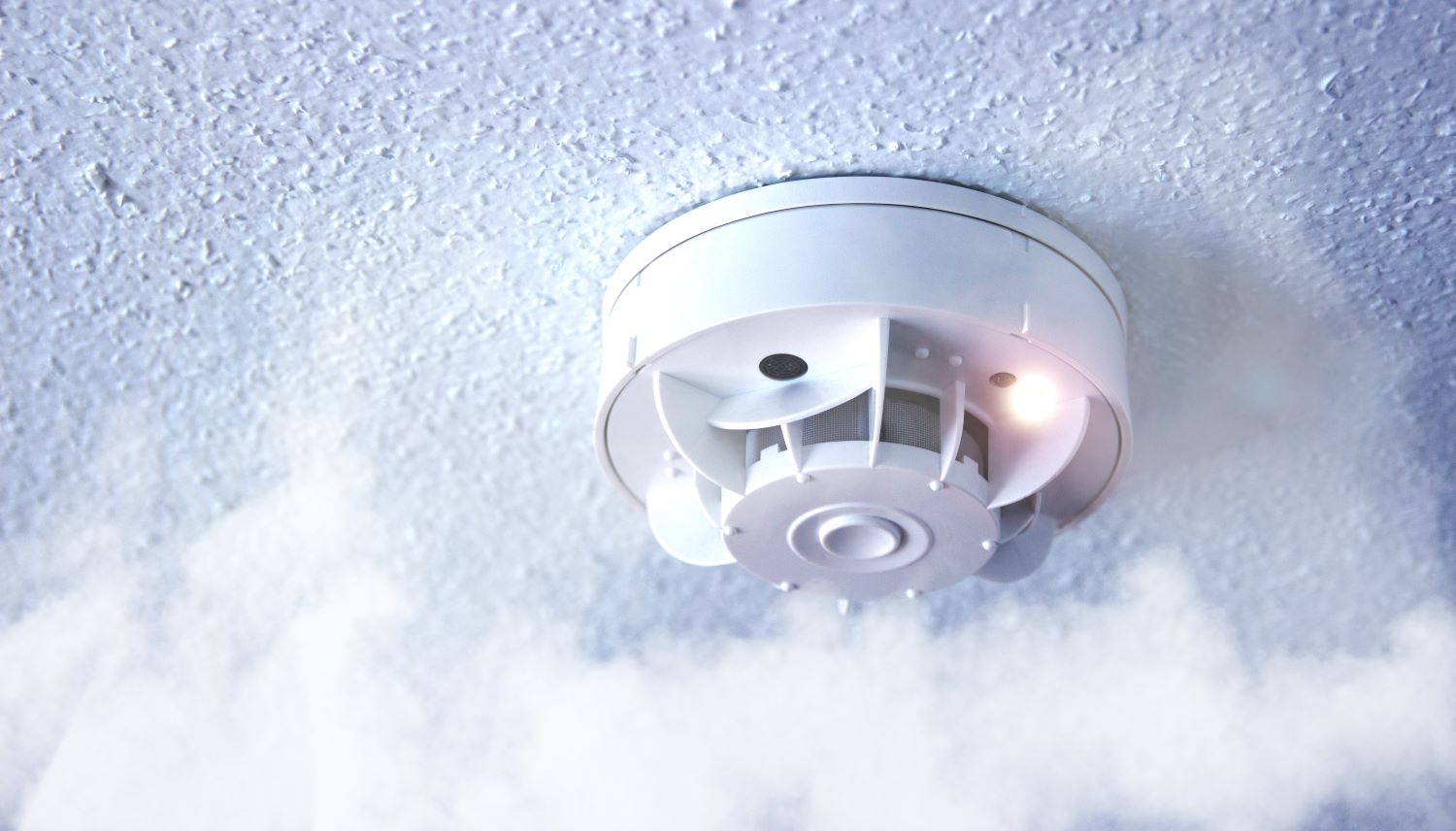
A working smoke detector is one of the most important safety devices in your home, giving you critical time to react in case of a fire. But like any piece of equipment, smoke detectors can wear out, malfunction, or become less effective over time. Knowing the warning signs can help you address problems before they put your safety at risk. Here are five key clues that your smoke detector may need attention.
Frequent False Alarms
If your smoke detector goes off when there’s no smoke or fire—such as during everyday cooking or without any clear cause—it could be a sign of a malfunctioning sensor. While occasional false alarms can happen, frequent and unexplained triggers often point to a deeper issue. Dust buildup, faulty wiring, or an aging sensor may be to blame, and the device might need cleaning, recalibration, or replacement.
No Response During Testing
Every smoke detector has a test button designed to check its functionality. If pressing the button produces no sound or a weak signal, the device may not work when it’s truly needed. This could indicate dead batteries, corroded connections, or internal damage. Regular testing—at least once a month—is essential to ensure the detector is functioning correctly.
Persistent Chirping or Beeping
A chirping smoke detector often means the battery is low, but if the sound continues after replacing the battery, there may be a bigger problem. Persistent beeping can indicate that the unit’s internal components are failing or that it has reached the end of its lifespan. Most smoke detectors last about 8–10 years, and an ongoing alert can be a built-in reminder that it’s time for a replacement.
Yellowing or Physical Damage
Changes in the appearance of your smoke detector can be more than cosmetic. A yellowed casing can be a sign of heat damage or long-term aging, both of which can compromise the device’s sensitivity. Cracks, missing parts, or signs of moisture damage should never be ignored, as they can interfere with the detector’s ability to sense smoke effectively.
Outdated Model or Expired Unit
Even if your smoke detector appears to be working, an old or outdated model may not offer adequate protection. Manufacturers typically recommend replacing smoke detectors every decade, as sensors lose effectiveness over time. Check the manufacturing date printed on the back of the device; if it’s more than 10 years old, it’s time to invest in a new one.
Conclusion
Your smoke detector is a vital line of defense against fire-related dangers, but it can only protect you if it’s in good working condition. Frequent false alarms, failure during testing, persistent beeping, visible damage, or simply reaching the end of its lifespan are all signs that it needs repair or replacement. Regular maintenance, timely upgrades, and proper installation ensure your home remains safe and your family well-protected.